Systems don’t change from a distance. They change when the people inside them decide to work differently.
In this post, Health Justice Australia’s CEO, Lottie Turner, talks about the hard work of systems change and what these difficult times mean for us as an organisation and as a movement.
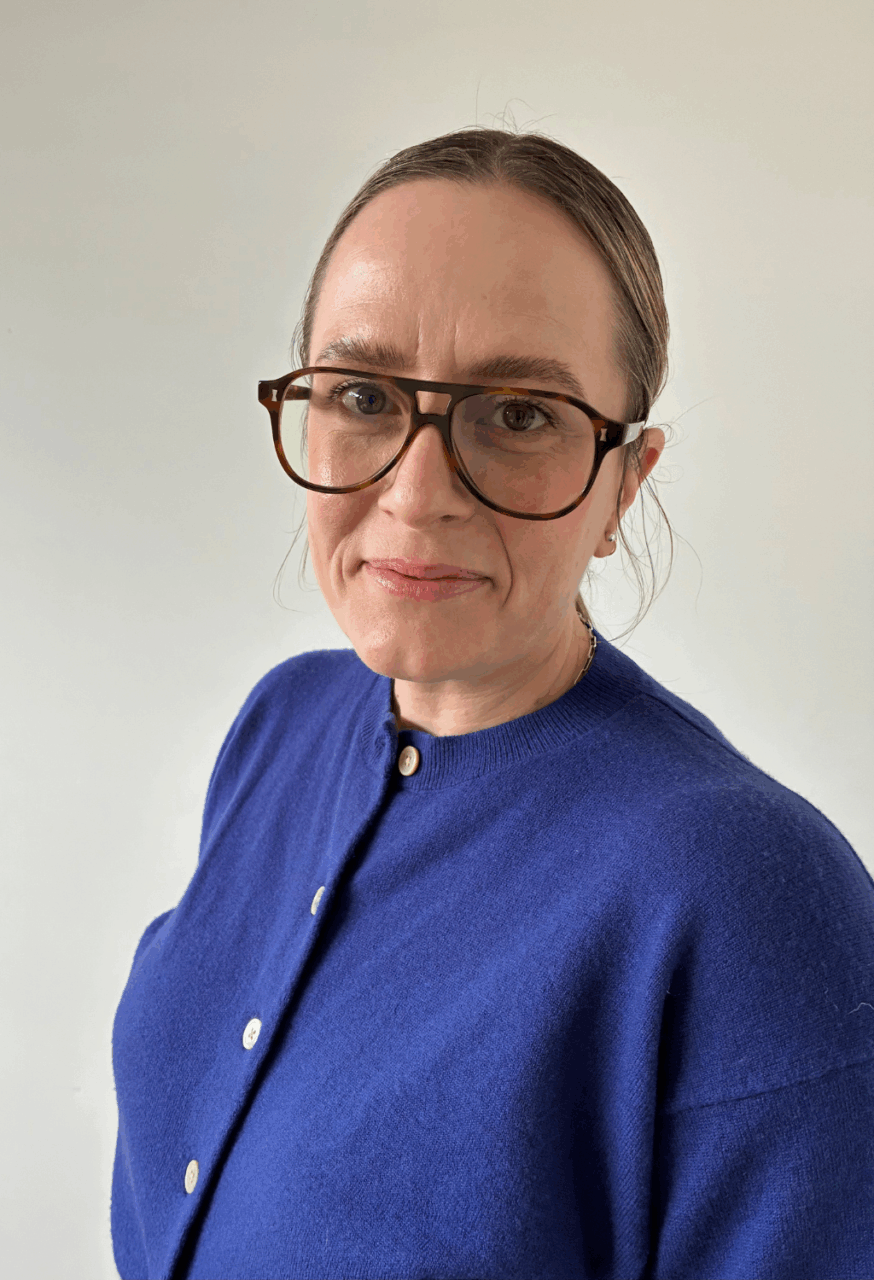
I’ve spent a lot of my career listening to people talk about systems change. It’s a phrase that can feel enormous, structural, almost geological. Something that happens at a scale and a pace that’s hard to get your hands around. And I understand why that framing can leave people feeling stuck. Where do you even start with something that big?
Seven months into leading Health Justice Australia, I’m more convinced than ever that the answer is closer than we think.
Because systems aren’t abstract. They’re made of relationships, norms, incentives, behaviours. They’re made of people. Us. The way we show up, the questions we ask, the power we hold and what we choose to do with it. Systems change doesn’t start somewhere out there. It starts with how we see and work with one another. And for the families navigating housing stress, debt, mental ill-health, violence, and the systems that are meant to help with all of it, the cost of us not working together is felt every day.
That’s the heart of the health justice movement. Not partnership as a project or a polite aspiration, but partnership as a practice of systems change. A way of weaving health, legal help, social care and community around the reality of families’ lives, rather than the boundaries of our institutions.
And the reality of families’ lives is uncomplicated in at least one respect: the issues don’t arrive in silos. Housing, debt, safety, health, family. They arrive tangled together, and when services respond to them in isolation, people fall through the gaps between us.
More than 140 health justice partnership approaches across the country are showing what becomes possible when services connect around people instead of operating in parallel. And increasingly, the evidence is pointing us toward a question I find deeply compelling: what happens for children and families when legal help is available early, in the services and settings they already trust?
Professor Sharon Goldfeld put it plainly at a recent gathering of child and family hub leaders: our children are developing every single day. Every day we delay action is a day of risk to their health, development and long-term wellbeing.
I felt that in my bones. Not just as a CEO, but as a mum.
My son just turned two. He shows me daily what little minds and hearts and bodies need to feel nurtured, to thrive, in safety and in family. That’s not abstract either. It’s breakfast, bathtime, and the duplo I keep stepping on in the middle of the night.
He’s who I think about when I’m in rooms where the conversation is about funding models and service integration and cross-departmental coordination. Because underneath all of that language is a simple question: are we getting to families early enough, and are we making it easy enough for them to get the help they need?
Seven months in, a few things have come into sharp focus for me as CEO.
First, a deep respect for the people and communities who have always known what connected, holistic support looks like. Aboriginal Community Controlled Organisations have been modelling this for decades. That leadership isn’t new. Our job is to learn from it, amplify it, and not get in its way. I was energised to see the culmination of many years’ hard work and advocacy lead to the establishment of the new national peak for Aboriginal and Torres Strait Islander Family Safety. A peak that will lead the way in advancing self-determination and decision-making around what it means and takes to respond in culturally safe ways to communities affected by violence.
Second, a belief that the work of a national intermediary like HJA is to make the whole movement more effective, not to own it. We build and translate evidence. We strengthen the capability of workforces to collaborate across sectors. We shape the policy and funding environment so that integrated approaches are resourced, not exceptional. We connect the parts of the system that don’t yet talk to each other.
And third, a commitment to honesty about what this work asks of us personally. As a proud queer disabled woman, I know what it means to navigate systems that weren’t built with the people most impacted by them in mind. That lived experience isn’t separate from my professional life. It shapes how I lead, what I notice, and why I believe so strongly that the future we’re building has to hold all of us.
Recent conversations with government, including briefings with departments and parliamentary advisers on what health justice partnership approaches make possible for families, give me real hope. In addition to a growing national movement of frontline services, there are people across government who are ready to do things differently. The momentum is there. The evidence is growing. The movement is real.
But systems don’t change from a distance. They change when the people inside them decide to work differently. Together, with purpose, with courage, and with care.
The future we’re building won’t arrive fully formed. It will grow from the choices we make every day, from the conversations we keep having, and from our willingness to sit with the messy joy of collaboration, knowing we each hold one vital piece of a much larger puzzle.
If this resonates, I’d love to hear from you. What are you seeing in your part of the system? What’s shifting, and what’s stuck? This movement grows through the conversations we have with each other.